Thursday, September 13, 2018

Ukrainian, not Russian

Oddly, the translation algorithm actually realized that this construction means "is four years old" - though not "is ONLY four" as the всього makes it mean. But it doesn't really understand what's happening in the grammar. If it did, it would know that the noun whose age is being given is in the dative. The word for "stamp" is марка (marka). Марко (Marko) is a very common boy's name. The word here is Марку (Marku) - that's the dative for the name. The dative for a stamp is марці (martsi).

Also, this is Ukrainian, not Russian (it sort of knows that - it gets a lot of the Ukrainian words right, like чотири,  хлопчик, врятував, and справжні. But it got tripped up in a few other places. От (ot) is not the Russian preposition "away from" but rather an adverb/interjection meaning something like "lo, voila, here, you see" (it's вот (vot), in Russian). And while рыбалка in Russian is a fishing trip, or the act of fishing, in Ukrainian the word рибалка (rybalka) means "fisherman" (рыбак (rybak) in Russian). And lastly, in Russian the dash is often the copula, in Ukrainian it rarely is; Ukrainians use the verb much, much more often that Russians do.


I would probably translate the last sentence more like "Real heroes do live among us" or "There are real heroes living among us", but that's a stylistic quibble,  not a grammatical or semantic error.

"Mark is only four, but he's already a serious (= genuine) lifeguard. But you can see he loves ice cream like all children. Together with his mom Daria the boy saved a fisherman from the water. They live among us - real heroes."


Labels: , , ,

0 Comments:

Post a Comment

Subscribe to Post Comments [Atom]

     <-- Older Post                     ^ Home                   

Monday, January 01, 2018

С новым годом!

моим читателям - To my readers:
Всего вам самого-пресамого в 2018!!! И здоровья, и счастья, и успехов!

The best of everything to you in 2018!!! Health, and happiness, and success!


On fir branches snow is lying,
The New Year to us today is flying!
May everything in life take a turn for the best,
May your most cherished dreams come true,
May the year give you treasures above all the rest:
Warmth, health, and understanding all come to you!

Labels: ,

0 Comments:

Post a Comment

Subscribe to Post Comments [Atom]

     <-- Older Post                     ^ Home                   

Wednesday, November 15, 2017

Uncle Vova

Here's something that leaves me fairly speechless. Lyrics, quick translation, and notes below.


Uncle Vova (by Vyacheslave Antonov)

The 21st century is here, the globe is tired of wars
A leader has won the people
In the EU there’s no consensus, the Middle East is drowning in poverty
Across the ocean the president is losing his power

chorus:
For us, from the northern seas all the way to the southern borders
From the Kuril Islands to the shores of the Baltic,
We would have peace in this land, but if our commander in chief
Calls us to the last battle, Uncle Vova We are with you

And what will we gain, my generation,
By refusing to see, we will lose our whole country
Our true friends are the Navy and the Army,
The memory of the friendship of our grandfathers, and the Red Star

The samurai will never take the ridge,
We will defend the amber capital,
Our Sevastopol and our Crimea we will preserve for our descendants
And back into the haven of the motherland we will return Alaska

A few quick notes:
гегемон does not mean hegemony, but rather hegemon, "one who possesses dominant power or hegemony, i.e. a strong leader, i.e. Putin;
The reference to a president losing power is the Russian view that Trump wants to cooperate with Russia but is prevented by Congress from doing so;
"the last battle" recalls an iconic WWII song;
дать слабинку is to have a blind spot, but here I think it means more to turn a blind eye or refuse to see what's in front of you;
the reference to grandfathers is to WWII;
the Amber Capital is Kaliningrad;
Uncle is a term of address for an older man from children;
and Vova is a nckname for Vladimir - Putin, in other words.

Дядя Вова - Вячеслав Антонов

Двадцать первый век настал, шар земной от войн устал
Населенье шара гегемон достал
В Евросоюзе мненья нет, Ближний Восток стонет от бед
За океаном лишен власти президент

прирев:
Нам от северных морей, вдаль до южных рубежей
От Курильских островов, до Балтийских берегов
На земле сей был бы мир, но если главный командир
Позовет в последний бой, дядя Вова мы с тобой

А что достанется тому, поколенью моему
Дать слабинку, потеряем всю страну
Наши верные друзья, это Флот и Армия
Память дружбы деда красная звезда

Не достанется гряда самураям никогда
Грудью встанем за столицу янтаря
Севастополь наш и Крым, для потомков сохраним
В гавань Родины, Аляску возвратим

http://slavaantonov.ru/

Labels: , ,

1 Comments:

At 8:29 PM, November 22, 2017 Anonymous Mark P had this to say...

It's a little unsettling. It sounds like something the North Koreans would sing.


Post a Comment

Subscribe to Post Comments [Atom]

     <-- Older Post                     ^ Home                   

Sunday, January 01, 2017

С новым годом!

моим читателям - To my readers:
Всего вам самого-пресамого в 2017!!! И здоровья, и счастья, и успехов!

The best of everything to you in 2017!!! Health, and happiness, and success!


On fir branches snow is lying,
The New Year to us today is flying!
May everything in life take a turn for the best,
May your most cherished dreams come true,
May the year give you treasures above all the rest:
Warmth, health, and understanding all come to you!

Labels: ,

0 Comments:

Post a Comment

Subscribe to Post Comments [Atom]

     <-- Older Post                     ^ Home                   

Monday, December 19, 2016

What did they fight for?

This was in my Facebook feed, part of an argument about whether the UPA was really a fascist army. It's in Russian, and avoids that question for a more pragmatic answer.
-- За что воевал Вермахт?
-- За Третий Рейх.
-- Третий Рейх есть?
-- Нет.
-- За что воевала Красная Армия?
-- За СССР.
-- СССР есть?
-- Нет.
-- За что воевала УПА?
-- За независимую Украину.
-- Независимая Украина есть?
-- Есть
-- Отож!

Bing translates this as:
-Over that fought the Wehrmacht?
-For The Third Reich.
-The Third Reich?
-No.
-For which fought the Red Army?
-For The Ussr.
-USSR have?
-No.
-UPA fought for that?
-for an independent Ukraine.
-Independent Ukraine have?
-There are
-Otozh!

And Google as:
- For that I fought the Wehrmacht?
- During the Third Reich.
- Third Reich there?
-- No.
- For that fought the Red Army?
- During the Soviet Union.
- USSR there?
-- No.
- For that I fought the UPA?
- For Ukraine's independence.
- Independent Ukraine there?
-- There is
- Otozh!

Bing recognizes that the questions do, in fact, have subjects, where Google is thrown by (I guess) the word order and twice supplies one - the wrong one. It looks like the case marking on Красная Армия clued it in that time.

For some reason Bing varies its translation of "За что воевал(а) X" - what did X fight for - giving us three, the first two of which are okay. Google uses the same translation, but since it's interpolating "I" it's still wrong.

Bing screws up the simple "X есть?" questions - it's just "Does X exist?" - translating есть as "have". There is an idiomatic phrase "У X есть N?" meaning "Does X have?" but the У is crucial to that, as it's literal "Is there N at X?" or "Does N exist at X?". These questions aren't that one. Google is wrong, too, but differently, translating есть as "there".

Google also gets the wrong meaning for За in the answers. It's the same За - For - not the temporal one. You'd think it would realize that the answer to "What did X fight for?" would not be when X fought.

And neither of them got Отож! Which is, I suppose, somewhat understandable since it's not a Russian word. They do both get it when presented with it stand-alone and labelled Ukrainian.

My translation:
"What did the Wehrmacht fight for?"
"For the Third Reich."
"Does the Third Reich exist?" (or "Is there a Third Reich?")
"No."
"What did the Red Army fight for?"
"For the USSR."
"Does the USSR exist?" (or "Is there a USSR?")
"No."
"What did the UPA fight for?"
"For an independent Ukraine."
"Does an independent Ukraine exist?" (or "Is there an independent Ukraine?")
"Yes." (or "There is")
"So there!" (Or "Aha!" or "See!" or even maybe "Take that!")

Labels: , ,

0 Comments:

Post a Comment

Subscribe to Post Comments [Atom]

     <-- Older Post                     ^ Home                   

Thursday, May 19, 2016

This made me laugh out loud. Really.

My coworkers turned around to stare.


The dialog reads:
"May's already ending. Where are the crowds of tourists in Crimea?"
"It's not the season yet."
"So when does the season begin?"
"In Traven."

Май, may, is the Russian word for "May". Травень, травень, is the Ukrainian one.

Yeah, I know; nothing's as funny if it has to be explained. But still; this cracked me up.

Labels: , ,

6 Comments:

At 5:49 PM, May 19, 2016 Anonymous Kathie had this to say...

Bing Translator:
-Already may ends. Where crowds of tourists in Crimea?
-Season yet.
-When the season begins?
-In travnì.

Google Translate:
- It is May ends. Where are the crowds of tourists in the Crimea?
- Still out of season.
- And when the season starts?
- In travnі.

 
At 6:38 PM, May 19, 2016 Blogger The Ridger, FCD had this to say...

To be fair, травень is Ukrainian and the rest is Russia.

 
At 6:38 PM, May 19, 2016 Blogger The Ridger, FCD had this to say...

This comment has been removed by the author.

 
At 10:46 AM, May 20, 2016 Anonymous Kathie had this to say...

You're more charitable than I would be :-)

After all, neither of these computer translation programs is able to render the full meaning of the text without additional, significant human intervention -- unless the reader already recognizes what language травень is in and its meaning (which I didn't).

In other words, there's still real need for skilled human translators.

 
At 11:06 AM, May 20, 2016 Blogger The Ridger, FCD had this to say...

Of course there is. But most Russian-to-English translators wouldn't know "traven", either - it's not a Russian word.

 
At 7:07 PM, May 20, 2016 Anonymous Kathie had this to say...

That's why I said "skilled" :-)))


Post a Comment

Subscribe to Post Comments [Atom]

     <-- Older Post                     ^ Home                   

Wednesday, May 11, 2016

Never forget

Seen on Facebook on Victory Day:

Не забывайте, что у некоторых деды не воевали, так как были расстреляны в 30-х.

Never forget that for many Ukrainians their grandfathers did not fight in the war - because they were executed in the 1930s.

Labels: , , ,

1 Comments:

At 4:44 PM, May 12, 2016 Anonymous Kathie had this to say...

Or they were starved to death.


Post a Comment

Subscribe to Post Comments [Atom]

     <-- Older Post                     ^ Home                   

Tuesday, April 19, 2016

Spotted in the wild: reversed sequential action!

Russian has a verb form they call a деепричастие, or verbal adverb. (Often, perversely, this is called a "gerund" in Slavic linguistics, do not ask me why.) It functions as the verb in a subordinate clause and modifies the verb in the main one, hence its name. There are two forms, from the two aspects. One (imperfective) denotes action that occurs at the same time as the main verb; it's usually translated with "X-ing or "while X-ing" (he read the paper sitting in the chair). The other (perfective) denotes action that occurs sequentially with that of the main clause, almost always prior ; the textbook translation here is "having X-ed" (he read the paper, having sat down in his favorite chair).

Grammar books will spare a sentence or two to let you know that it's possible for the perfective to denote action that happens after that of the main verb.  They invariably offer up the same example - он вышел, хлопнув дверью, he went out, slamming the door - and they will add, as does Terence Wade: 'but this construction should not, however, be regarded as the norm' (his emphasis, section 379, p393 in my edition of A Comprehensive Russian Grammar).

Today, however, I found one in the wild! Two, in fact, though in the same sentence. Dmitry Berko wrote (at Grani.Ru:
Позиция казалась разумной. Во-первых, юридически это совершенно правильно. Во-вторых, возникает возможность негласного торга с обвинением: вашему начальству так нужно признание "беспорядков" на Болотной? Пожалуйста, мы думаем иначе, но не спорим. Все равно уже куча судов эти самые "беспорядки" признала, создав преюдицию и сформировав общественное мнение. А нам отдайте мальчика, который к ним не причастен.

The position seemed reasonable. First, legally it is completely sound. Second, it opens up the possibility of a backroom deal with the prosecution: Your bosses really need an acknowledgment that there were "riots" on Bolotnoye Square? Well, okay; we don't agree with that, but we won't argue. After all, a whole series of trials have already acknowledged these same "riots", thus creating a prejudicial effect and shaping public opinion. And then you give us the boy who wasn't involved in them.
Clearly, obviously, the creating and shaping are the result of the previous court actions.

I'm so excited about finding this. I'm such a nerd.

Labels: ,

0 Comments:

Post a Comment

Subscribe to Post Comments [Atom]

     <-- Older Post                     ^ Home                   

Wednesday, March 30, 2016

Thought for the day

Seen on Facebook:

«У меня есть мечта — сидя у камина своим правнукам рассказывать о том, что многовековые Имперские амбиции России обломили свои зубы под окопами в Мариуполе, которые мы рыли со своими сыновьями» — Геннадий Мохненко, пастор пятидесятнической Церкви

"I  have a dream - to be sitting at the fireplace and telling my great-grandchildren how the centuries-old Imperial ambitions of Russia broke their teeth on the defenses of Mariupol, which we dug together with our sons." - Hennadyy Mokhnenko, Pentacostal Church of Ukraine pastor

Labels: , ,

3 Comments:

At 3:28 PM, March 31, 2016 Anonymous Kathie had this to say...

Couldn't resist :-)

BING: "I have a dream — the fireplace to their great-grandchildren tell that centuries-old imperial ambitions of Russia oblomili your teeth under the trenches in Mariupol, which we dug with his sons" — Gennadiy Mokhnenko, pastor of the Pentecostal Church

GOOGLE: "I have a dream - sitting by the fireplace to tell their grandchildren that age-old imperial ambitions of Russia broke some teeth under their trenches in Mariupol, which we dug with his sons" - Gennady Mokhnenko, pastor of the Pentecostal Church

 
At 9:36 PM, March 31, 2016 Anonymous Kathie had this to say...

COLLINS: "I have a dream — the fireplace to their great-grandchildren tell that centuries-old imperial ambitions of Russia oblomili your teeth under the trenches in Mariupol, which we dug with his sons" — Gennadiy Mokhnenko, pastor of the Pentecostal Church
http://www.collinsdictionary.com/translator

 
At 6:31 AM, April 04, 2016 Blogger The Ridger, FCD had this to say...

Those are great. For, you know, a special value of "great".

I wish I knew why they CANNOT parse "свой, one's own".


Post a Comment

Subscribe to Post Comments [Atom]

     <-- Older Post                     ^ Home                   

Thursday, March 10, 2016

Alas indeed

Looking at an article by Oleg Kashin at Slon (Не говорите «автобус сожгли на Кавказе», говорите «автобус сожгли в России» (Don't say "A bus was burned in the Caucasus", say "A bus was burned in Russia")), I found a new-to-me word in the first phrase:
Трудно найти менее кликабельную новость, чем «на Кавказе напали на правозащитников и журналистов».

It would be hard to find a less klikabelnuyu headline than "Rights activists and journalists attacked in the Caucasus".
I was pretty sure I knew what it meant, but I looked it just to be sure - after all, abel is a suffix they borrowed from French and clicable might actually mean something in French besides what it looks like, right? Not to mention that клик, klik, is a perfectly good Russian root for call, shout. Since the actual Russian phrase is klikabel'nuyu novost' with "news, news item" instead of "headline", maybe it was something like "news worth shouting about" or some such.

But no. It is, of course, "clickable".

The funny part is the entry in dictionary I used.


They id it as an adjective (прил.) and from the linguistic domain of "computer technology". Then they add: "ugly, but, alas, it exists :("

Labels: ,

2 Comments:

At 11:24 AM, March 10, 2016 Anonymous Kathie had this to say...

clicável (pl. clicáveis)

 
At 4:39 PM, March 10, 2016 Anonymous Kathie had this to say...

Here are the definitions for "clicável" from the well-regarded "Novo Aurélio Dicionário Eletrônico Século XXI," which a classmate picked up for me during her trip to Brazil in 2002 (i.e., this isn't a super-new word).

1. Que pode ser clicado.
2. Inform. Diz-se de objeto de interface que, ao ser clicado, desencadeia um evento previamente programado, como a execução de um comando ou a seleção de uma opção.


Post a Comment

Subscribe to Post Comments [Atom]

     <-- Older Post                     ^ Home                   

Wednesday, February 10, 2016

I want this on a tshirt

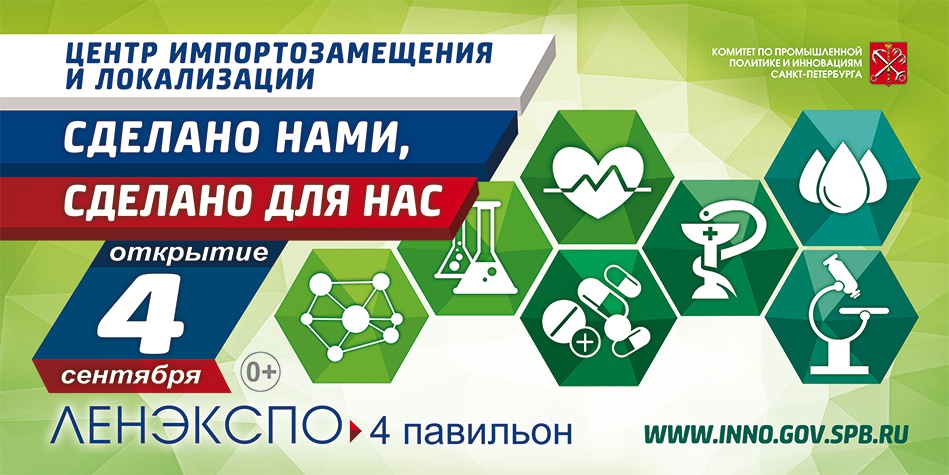
The Russian government has a campaign to encourage people to buy domestic goods instead of imported one (сделано нами, сделано для нас = made by us for us; сделано у нас, нам есть чем гордиться = made here; we have something to be proud of; импортозамещение = import substitutions).

Here are a couple of serious posters from it. But the third one? I want that one on a tshirt.

сделано нами, сделано для нас = made by us for us

сделано у нас, нам есть чем гордиться = made here; we have something to be proud of

импортозамещение ZZ Top = import substitution for ZZ Top

Labels:

0 Comments:

Post a Comment

Subscribe to Post Comments [Atom]

     <-- Older Post                     ^ Home                   

Sunday, October 18, 2015

Word order and syntax. They matter.

So, a translator friend alerted me to this list of the five best language translation tools and noted that both Bing and Google Translate are on it. (Two of the nominated apps seem to be mainly for signs and menus and the like.) Well, if you read my blog you know how I feel about both of those tools. And here's another short example.

Mikheil Saakashvili, the ex-president of Georgia who's now governor of the Odesa Oblast in Ukraine, has a habit of posting to his Facebook page in both Ukrainian and Russian. Here's something he wrote yesterday (pics at the bottom of the post). Each version is 7 sentences, 64 words in all:
Сьогодні мав честь вручити нагороду «Народний Герой України» приголомшливим людям. Серед них Мустафа Джамільов - великий татарин і патріот України. Мене вразив Вадим Довгорук. Йому в Дебальцевому гранатою відірвало руку, а потім лікарі були змушені ампутувати обидві ноги через обмороження. Він залишився служити в ВС і пішов вчитися на військового психолога. Дивовижно сміливий, життєрадісний хлопець. Народ, у якого є такі герої, ніколи не перемогти.

Сегодня имел честь вручить награду «Народный Герой Украины» потрясающим людям. Среди них Мустафа Джамилев – великий татарин и большой патриот Украины. Меня поразил Вадим Довгорук. Ему в Дебальцево гранатой оторвало руку, а потом врачи были вынуждены ампутировать обе ноги из-за обморожения. Он остался служить в ВС и пошел учиться на военного психолога. Удивительно смелый, жизнерадостный парень. Народ, у которого есть такие герои, никогда не победить.
Both programs had a terrible time with this little text. Depending on how you feel about translating proper nouns, there are either 12 or 15 major errors, and several are serious enough to make the translation simply unusable.

Bing labeled its efforts "Partly translated by Bing" as several words were beyond it:
Today had the honor to award "national hero of Ukraine» terrific people. Among them is Mustafa Džamìl′ov-the great Tatar and patriot of Ukraine. Impressed Vadim Dovgoruk. In Debal′cevomu a grenade shot the arm, and then the doctors were forced to amputate both legs due to frostbite. He left to serve in the US and went to study at the military psychologist. Amazingly daring, cheerful guy. People who are heroes, never win.

Today had the honour to give the award of the "people's hero of Ukraine" amazing people. Among them, Mustafa Джамилев-great tartar and a great patriot of Ukraine. I was struck by the vadim довгорук. Him in debaltseve grenade lost his arm, and then the doctors were forced to amputate both legs because of frostbite. He stayed to serve in the sun and went to learn from the military psychologist. Surprisingly brave, cheerful guy. The people, which has such heroes, never going to win.
And here's how Google handles those paragraphs:
Today had the honor to present the award "National Hero of Ukraine" terrific people. Mustafa Dzhamilov Among them - a great patriot Tartar and Ukraine. I was struck by Vadim Dolgoruky. Debaltseve grenade into his hand blown off, and doctors had to amputate both legs due to frostbite. He left to serve in the Armed Forces and went to study at a military psychologist. Wonderfully bold, cheerful guy. People, who are these heroes never win.

Today had the honor of presenting the award "People's Hero of Ukraine" terrific people. Among them, Mustafa Jamil - the great Tartar and a great patriot of Ukraine. I was struck by Vadim Dovgoruk. Him Debalcevo grenade severed hand, and then the doctors were forced to amputate both legs due to frostbite. He was to serve in the Armed Forces and went to study at a military psychologist. Surprisingly bold, cheerful guy. People that has such heroes, never win.
Here we go:
  1. Сьогодні мав честь / Сегодня имел честь : This is perhaps the most minor of the errors. They have not restored the personal pronoun, which is easily and routinely dropped in East Slavic languages ("today I had the honor").

  2. вручити нагороду «Народний Герой України» приголомшливим людям / вручить награду «Народный Герой Украины» потрясающим людям : They handled "present the award" in various ways, all acceptable, but then they both ignored the case ending on людям. It's in the dative, so it should be "to (amazing/terrific) people".

  3. Мустафа Джамільов / Мустафа Джамилев: his name is generally transliterated as Mustafa Dzhemilev. Between them they offer us Džamìl′ov, Dzhamilov, Jamil, and Джамилев.

  4. татарин is a Tatar. "Tartar" is an old-fashioned variant.

  5. великий татарин і патріот України / великий татарин и большой патриот Украины. Much worse is how Google handles the Ukrainian phrase that Tatar is in: a great patriot Tartar and Ukraine. First they move "patriot" where it doesn't belong, and then they ignore the case ending, turning "of Ukraine" into a bare "Ukraine". A note: in Russian, Saakashvili uses two different words for "great" - the first one might best be translated as eminent, though "great" will certainly do. Ukrainian uses the same word for both senses ("great, eminent" and "great, huge"). At any rate, Dzhemilev is being described as two things: a great/eminent Tatar and a huge patriot of Ukraine (or "Ukrainian patriot").

  6. Мене вразив Вадим Довгорук. / Меня поразил Вадим Довгорук. Both languages use the same syntax here - OVS. It's a common way to stress the subject; English will use the passive. I was impressed by Vadym Dovhoruk. Google gets that right; Bing does not. From Ukrainian it simply drops the "me" and gives us Impressed Vadim Dovgoruk, which turns him into the one being impressed; from the Russian, while it understands the syntax, it doesn't seem to know it's a name, plopping in an article and ignoring the capitalization, and doesn't even transliterate it (I was struck by the vadim довгорук.)

  7. Вадим Довгорук itself becomes Vadim Dovgoruk / the vadim довгорук / Vadim Dolgoruky. Normally, from Ukrainian this name is Vadym Dovhoruk, while Russians render it as Vadim Dovgoruk - "dovh-" is the same root as "dolg-", and Dolgoruky is certainly a name that exists, but it's not this man's name.

  8. Йому в Дебальцевому гранатою відірвало руку / Ему в Дебальцево гранатой оторвало руку. Again, unsurprisingly, the syntax is the same in the sentences (Russian and Ukrainian are both East Slavic languages), and it defeats them both. Bing offers us In Debal′cevomu a grenade shot the arm / Him in debaltseve grenade lost his arm and Google Debaltseve grenade into his hand blown off / Him Debalcevo grenade severed hand. This time it's Google I'm not sure knows Debaltsevo is a placename, despite the preposition "in" - it looks more like a brand of grenade, while Bing doesn't drop the case ending (-omu). The syntax of the dative pronoun instead of a possessive ("to him the arm" instead of "his arm"), which is utterly standard, left both applications floundering in confusion. And both of them fail to render this as the instrument it clearly is (instrumental case!)

  9. Дебальцевому / Дебальцево itself is transliterated as Debal′cevomu / debaltseve / Debaltseve / Debalcevo

  10. Він залишився служити / Он остался служить, which is pretty simple ("he remained serving (or "in service")") comes out as He left to serve from the Ukrainian by them both, and He was to serve from the Russian by Google. Bing got that part right from the Russian, but went wildly off the rails with the next clause.

  11. в ВС. This abbreviation, which is very common, floored Bing in both languages. Google got it right ("in the Armed Forces") but Bing offers "in the US" from Ukrainian (I think because "U" and "V" are frequently interchanged, but "US" isn't "US" in Ukrainian, it's SShA (США). Where Bing got "in the sun" from the Russian I have no idea.

  12. і пішов вчитися на військового психолога / и пошел учиться на военного психолога caused no end of grief, too. Bing looks at the preposition but ignores the case in Ukrainian and does the reverse in Russian ("at the military psychologist" and "from the military psychologist"); Google looks at the preposition alone in both ("at a military psychologist"). This particular preposition can take either the locative or the accusative, and here it's the latter. That means it's not "at". What we have is a common idiom meaning "to study to be, to train as".

  13. Дивовижно сміливий, життєрадісний хлопець. / Удивительно смелый, жизнерадостный парень. This is a sentence fragment. Leaving it as such (Amazingly daring, cheerful guy. / Surprisingly brave, cheerful guy. / Wonderfully bold, cheerful guy. / Surprisingly bold, cheerful guy.) is a minor error, if an error at all, but I think "a(n)" is called for even if you're not going to put "He's".

  14. Народ, у якого є такі герої / Народ, у которого есть такие герои For some reason, they both mess up the relative clause (including their comma use) in the Ukrainain: "People who are heroes" from Bing, which ignores the такі, and "People, who are these heroes" from Google which doesn't but gets it wrong. It's "such". Also, they both think народ is "people", meaning the plural of "person", instead of "people" meaning "a nation". In Russian they recognize that the у construction is a possessive (The people, which has such heroes / People that has such heroes) and that it's "the people". However, they've both butchered the main clause:

  15. Народ, у якого є такі герої, ніколи не перемогти. / Народ, у которого есть такие герои, никогда не победить. This final sentence is butchered the same way by both of them in the crucial main clause. Народ is an inanimate noun, meaning its nominative and accusative cases look the same. Both programs treat it as the subject of the main verb, but it's not; it's the object. The main verb is an infinitive. Infinitives have a quasi-modal sense, and don't have subjects: the best way to translate them into English is either a passive or a "one can(not)". Bing offers us People who are heroes, never win / The people, which has such heroes, never going to win, and Google serves up People, who are these heroes never win / People that has such heroes, never win. None of those are right; all of them are completely wrong, reversing entirely Saakashvili's statement: "A people that has such heroes can never be beaten".

So, in short, both Bing and Google Translate mangle six of these seven sentences, none of which are particularly difficult, and manage to make Saakashvili assert the direct opposite of what he actually said. If these are two of the five best, machine translation has a long way to go. Here's how it ought to go:
Today I had the honor to present the award "National Hero of Ukraine" to some amazing people. Among them is Mustafa Dzhemilev, the great Tatar and Ukrainian patriot. I was impressed by Vadym Dovhoruk. At Debaltsevo his hand was torn off by a grenade, and then the doctors were forced to amputate both of his feet due to frostbite. He continued serving in the armed forces, studying to become a military psychologist. He's a remarkably brave and cheerful guy. A nation that has such heroes will never be defeated.

Labels: , , , ,

2 Comments:

At 2:11 PM, October 18, 2015 Anonymous Kathie had this to say...

Sheesh, the sample isn't even complex or philosophical prose, nor poetry -- just narrative. I doubt computers will catch up to human brain-power any time soon, because there's too much decision-making required in the process of translating expository writing (many programs) and interpreting speech (now Skype, supposedly). Of course, this is beneficial to our line of work :-)

Apps used mainly for translating signs and menus are merely cyber equivalents of old-fashioned pocket-sized phrase books, only faster (but not inherently more accurate than a translating dictionary).

It's so annoying when media proclaim the arrival of reliable translating software -- which they've been doing repeatedly for at least the past decade -- as I suspect they've never seriously tested these programs, nor had experts do so. Sigh...

 
At 3:35 PM, October 18, 2015 Anonymous Mark P had this to say...

I would be amazed (or maybe some day will be amazed) if a computer could translate particularly well. A friend who can speak Spanish sent me an email with a message from his Cuban friend. It was only about two sentences long. I have extremely rudimentary Spanish, and I was not able to make any sense out of it with an English-Spanish dictionary.


Post a Comment

Subscribe to Post Comments [Atom]

     <-- Older Post                     ^ Home                   

Friday, October 02, 2015

Oh, dear - the Toys Я Us transliteration strikes again


Here's a listing from Biblio.
You may not be able to read Cyrillic, but the book's title is МОРФОЛОГИЯ СОВРЕМЕННОГО РУССКОГО ЛИТЕРАТУРНОГО ЯЗЫКА, Morphology of the Contemporary Literary Russian Language. Interestingly, in one place they transliterated ИЯ (i ya) as just YA, and later they transliterated the Я as YA by itself. Puzzingly, the word ЛИТЕРАТУРНОГО (literary) has its И (i) become an E, and a Y has appeared from nowhere. (Well, maybe not: Russian E is yotated, but the same letter is in СОВРЕМЕННОГО, twice, with no leading Y.

What's worse is their inability to recognize the font used on the book jacket. What they've shown as M is really a lowercase T. You can see a difference between the м's in морфолгия современного and the m's in лиmераmурного:

So what should be LITERATURNOGO becomes LEMYERAMURNOGO. I call this Toys Я Us because it involves mapping the Cyrllic letter to the Latin one it most resembles. After all, the Cyrillic 'r' is P, and the Я is 'ya'. This isn't the worst example I've seen, which is:
Mohymehtajibhar nponarahia
Монументальная пропаганда
(and which should be rendered as Monumental'naya propaganda). But it's up there.

Labels: ,

4 Comments:

At 12:43 PM, October 02, 2015 Anonymous Anonymous had this to say...

Huh. Is that a common typographical design choice? I know that an italic or cursive Cyrillic lowercase т normally looks like a Roman lowercase m, but the title is set in a rather square-looking sans-serif face, and the other letters don't seem to have particularly cursive-looking forms. (I'm looking at the г in particular, since that would be one of the more distinct ones. Maybe the и does, though? But I can't quite make it out at this resolution.)

 
At 1:09 PM, October 02, 2015 Blogger Barry Leiba had this to say...

Aren't the "ОГО"s also better transliterated as "ovo"? Or are they actually pronounced "ogo"?

 
At 7:23 PM, October 02, 2015 Blogger The Ridger, FCD had this to say...

It depends on what system you use. OVO is the pronunciation but most systems still use a G.

 
At 7:24 PM, October 02, 2015 Blogger The Ridger, FCD had this to say...

It's far more common in italic, but this is not the first time I've seen it on book jackets. You also see it in magazine article titles on occasion.


Post a Comment

Subscribe to Post Comments [Atom]

     <-- Older Post                     ^ Home                   

Sunday, April 26, 2015

Things can be tricky even when they don't look it

At SLON.ru, Oleg Kashin has an article called Почему Россия проиграла войну на Украине, or Why Russia has lost the war in Ukraine.*

The article itself is fascinating, but I'm just interested here in one little phrase: не чета. Чета is couple or pair, often referring to a married couple. Не чета in the negative means 'not a pair'; not a match is how it's usually translated. But there's a problem with that ... See how he uses it, talking about Putin's calling the dissolution of the Soviet Union "the greatest geopolitical disaster of the 20th century":
Может быть, Путин имел в виду несколько локальных войн, которыми сопровождался распад СССР – Карабах, Приднестровье, Таджикистан, Абхазия? Войны – это плохо, но в ХХ веке было много других, гораздо более кровопролитных войн, то есть в этом случае катастрофу распада СССР никак не назовешь крупнейшей. Распад Югославии тоже никому не придет в голову называть геополитической катастрофой, хотя уж там-то воевали не чета даже Карабаху.

Maybe Putin had in the various regional wars which came along with the fall of the Soviet Union - Nagorno-Karabakh, Transnistria, Tajikistan, Abkhazia? Wars are bad, but the twentieth century had many others, much bloodier; that is, in this situation you simply can't call the dissolution of the Soviet Union the worst. Nor has anyone ever been tempted to calls Yugoslavia's collapse a geopolitical disaster, though the fighting there was no match even for Nagorno-Karabakh.
That seems a bit odd in English, doesn't it? A isn't a disaster, nor is B even though it's not as bad as A.

The problem is that although literally не чета means "not a match", Russian and English approach that concept from different angles. In English, "you're no match for him" means "he's better than you" (or, if what you're measuring is the bloodiness of wars, "Yugoslavia's no match even for Karabakh" means "Yugoslavia's less bloody even than Karabakh"). But in Russian, it means "you're better than he is" (or, "Yugoslavia's bloodier even than Karabakh").

You look at a Russian-English dictionary (such as Multitran and you get "no match". That is right in one way and yet totally wrong where it counts - in what it actually means. But if you go to Russian-Russian sources and get a definition, you'll get Не чета кто-что кому-чему (разг.) - не ровня,лучше кого-чего-н. в каком-н. отношении. Ne cheta kto-chto komu-chemu, someone-something is no match for someone-something (colloquial) - not equalling, better than someone-something in some quality. The Russian dictionary tells you what the translation means - and in this case, tells you (if you are a native speaker of English, any way) that the translation is wrong.

I tell my students to use Ozhegov or some other Russian defining dictionary rather than relying on translating dictionaries, or at least to go to Ozhegov when something seems a bit hinky in your translation.

Unfortunately, they don't always listen...


* He concludes thus:
Политическое и военное поражение России на Украине (а зафиксированное в Минске требование «особого статуса отдельных районов» – это уже поражение) – это только следствие смыслового и ценностного поражения, случившегося тогда же, еще прошлой весной. Государство начинается не с армии и не с аппарата, а с идеи, со слов. «Мы пришли в Донецк, чтобы…» – а дальше тишина, дальше сказать просто нечего и приходится нести ахинею про хунту и бандеровцев – впрочем, и эта ахинея теперь звучит все тише или вообще не звучит.

Этот год показал, что удел России – вечно пережевывать советскую победу 1945 года и радоваться кадыровскому миру в Чечне, любая дополнительная идея обрушит Российскую Федерацию. Именно поэтому война за Новороссию быстро превратилась в войну ни за что, а войну, которая ведется ни за что, выиграть просто нельзя – особенно если противник воюет за родину. Время переписать черновики будущих президентских посланий. Крупнейшая геополитическая катастрофа – это не распад СССР, бог бы с ним. Год украинской войны показал, что сама Россия теперь – крупнейшая геополитическая катастрофа, которая всегда с тобой.

The political and military defeat of Russia in Ukraine (and the demand put on the record in Minks for "the special status of specific regions" is a defeat already) is just the consequence of the defeat in meaning and values which took place back in last spring. A state begins not with an army and not with institutions but with an idea, with words. "We came to Donetsk in order to..." - and the rest is silence, there is simply nothing further to say and they are forced to carry on with their drivel about a junta and Banderist fascists - drivel that is, by the way, heard less and less now if it's heard at all.

This year has shown that it is Russia's fate to relive forever the Soviet victory in 1945 and rejoice over Kadyrov's peace in Chechya; any other idea will tear down the Russian Federation. And that is why the war for Novorossiya quickly turned into a war for nothing, and a war which is waged for nothing simply cannot be won - especially if the enemy is fighting for their homeland. The time has come to rewrite the drafts of future presidential Messages*. The worst geopolitical disaster** was not the dissolution of the Soviet Union, let that go. The year of the Ukrainian war has shown that Russia itself is now the worst geopolitical disaster, and one that is always with us.

* Russia equivalent of the State of the Union address
** An allusion to Putin's statement in Minsk that "for the EU, the time has come to rewrite the history of Crimea before someone else does it for you"

Labels: , ,

1 Comments:

At 11:08 PM, April 26, 2015 Anonymous Kathie had this to say...

Likewise, I sometimes get my best help from a Portuguese-Portuguese dictionary. Occasionally I then need to cheat by copying/pasting the definitions into Google Translate, but shhhh, don't tell anyone ;-)


Post a Comment

Subscribe to Post Comments [Atom]

     <-- Older Post                     ^ Home                   

Tuesday, April 21, 2015

Who asked whom, Bing?

What the hell, Bing?

see text«Я в берлоге», — Евгений Плющенко попросил общественность забыть про него
"I'm in a den," the public has asked Evgeny Plushenko to forget about him

Come one, Bing. This is straightforward. Masculine noun, masculine verb, feminine noun. Subject-Verb-Object. For crying out loud. (Plus, in yours, who's "him"?) Interestingly, Bing does get the aspect right - perfective Russian verb becomes English perfect.

Google seems to get it more correct but it makes a crucial mistake: it's not "it" he wants them to forget, it's "him". The translation sounds like he's asking the public to forget about his going into the den.
"I'm in the den," - Yevgeny Plushenko asked the public to forget about it

My translation: "I've gone to ground," Yevgeny Plushchenko has asked the public to forget about him. (I could be talked into "holed up" or "hiding out" in some contexts, but here Plushenko wants to be left alone as he prepares for the World Championships and then probably the Olympics; he's not retiring, he just doesn't want to be a distraction... or distracted himself.)

Labels: , ,

1 Comments:

At 2:40 PM, April 22, 2015 Anonymous Kathie had this to say...

Google Translate also often confuses pronoun genders, being apparently unable to differentiate between the female and male given names to which they refer in context. I've accumulated quite a few of these howlers on my list.

Another error that Google Translate sometimes makes is translating subject-after-predicate construction (more common in Portuguese than in English) as the direct object -- again something that's obvious in context to the human translator.

Have you asked those knowledgeable in other languages if they too encounter these problems with translating software?

P.S. Plushenko had a lot of back trouble at the Sochi Olympics, so is likely healing and rehabbing in hopes of competing again at the 2018 games. He's also married, with a couple of small children (IIRC), so may be enjoying family life staying home, instead of being on the road so much, as he was when actively competing.


Post a Comment

Subscribe to Post Comments [Atom]

     <-- Older Post                     ^ Home                   

Wednesday, April 15, 2015

Bing: A twofer

Dear Bing: I accept that you can't deal with productive morphology, so повиганяємо (two prefixes! the horror!) is beyond you. But you really can't turn "with God's help" into "God". Seriously. Stop.

З Божoю допомогою повиганяємо ту нечисть! with Bing translation God poviganâêmo the vermin!

Поганяти means to drive on, to lash, to spur. Виганяти means to drive out. So повиганяти has the sense of vigorously or enthusiastically driving out. The ємо ending is the first person plural, we will drive out.

З Божoю допомогою means "with God's help". Bing's translation, such as it is, sounds like an exhortation to God: God poviganâêmo the vermin!

Google's a little better here... or is it? Their "Bozhoyu help take away that abomination!" at least preserves the 'help', though they don't recognize the instrumental case of Бог, God, and ignore the preposition. However, they still don't provide the correct form of the verb, rendering it as an infinitive complement to 'help', and making it sound like an imperative rather than an assertion.

The correct translation is: "With God's help, we will drive out the vermin!" (Or 'scum'.)
«Нас называли оккупантами». E1.ru о возвращении из Донбасса в Россию уральских добровольцев with Bing translation
'We were called by the occupiers.' E1. ru for the return of the Donbass region in Russia Ural volunteers
And then in the Russian one, Bing apparently doesn't know that verbs of naming take instrumental complements. They weren't called BY the occupiers; they were called occupiers. Also, the preposition o isn't ever "for". Ever. It's "about" or "on". And из? You can't leave that out. And в with accusative isn't "in", it's "into, to". And once again Bing completely ignores the meaning of the genitive case: of the volunteers. OF THEM.

In this one, Google's worse. They give us: "We called the occupiers." E1.ru about the return of the Donbass in Russian Ural volunteers

Yes, they get that E1.ru is reporting ON the return. But they not only also mishandle из (from) (though in their own way), they top it off by turning Russia into Russian. And they can't handle the naming-verb's instrumental either, so they just ignore it. AND turn "us" into "we"!

It's not "E1.ru for the return of the Donbass region in Russia Ural volunteers", and it's certainly not "E1.ru about the return of the Donbass in Russian Ural volunteers", it's "E1.ru ON the return FROM the Donbass (region) TO Russia OF Ural volunteers".

"They called us occupiers." E1.ru reports on the return to Russia from the Donbass of volunteers from the Ural.

Labels: , , ,

1 Comments:

At 1:49 PM, April 15, 2015 Anonymous Kathie had this to say...

In Portuguese:
"chamar" = to call [the occupiers]
"chamar DE" = to call [us the occupiers]
"chamar-se POR" = to be called by [the occupiers].

By now you seem to be accumulating enough examples that you can sort them by categories for a talk or a paper on the topic. My collection of Google atrocities now runs to 30 pages, and continues to grow with new and old errors alike (Google's people apparently can't or won't correct the latter). Meanwhile, our jobs are safe.


Post a Comment

Subscribe to Post Comments [Atom]

     <-- Older Post                     ^ Home                   

Wednesday, April 08, 2015

Definitely don't use Bing for conversations!

see textBing utterly fails to follow the pragmatics of the conversation. Okay, Russian can omit lots of words - more, really, than English - but Bing doesn't even attempt to employ basic cohesive techniques. Also, there is room for translating ее нет as "it doesn't exist" - the pronoun could barely possible be referring to the information - but the next sentence is definitely "who" not "what", so the speaker didn't think so. (Bing also fails utterly to grasp the function of the dash.)
— А вы работали над информацией про убитую девочку?
— Ее нет
— Кого нет?
— Девочки
— Не погибла?
— Нет
— А как же так, передали же?
— Вынуждены были передать. Сами понимаете.

Как вслед за «распятым мальчиком» появилась «расстрелянная девочка». Расследование Би-би-си о пропагандистском фейке «ДНР»:


You worked on the information about the dead girl?
Is It not
-Who doesn't?
-Girls
Is Not lost?
-No
And how have the same?
— Were forced to pass. Understand yourself.

As following the 'crucified boy "appeared" rasstrelânnaâ girl ". Investigation into the BBC's propaganda fejke "DNI":
Google is marginally better:
- And you were working on information about a dead girl?
- It does not exist
- Who is not?
- Girls
- Do not died?
- No I Am Not
- And how is it transmitted the same?
- They were forced to pass. You know.

As after the "crucified boy" came to "shoot the girl." Investigation BBC BBC propaganda about Fake "DNR":
Once again, we get terrible do-support syntax ("do not died?"), and I have no idea why Нет, no, is translated so emphatically (No I Am Not) by Google.

Neither of them can handle the summary either, though they mess it up differently (neither can handle the non-declined BBC, and neither can keep the preposition where it belongs: rassledovanie BBC o propagandistskom fejke DNR = investigation OF BBC ABOUT propaganda fake OF DNR, or with more appropriate English pronouns, Investigation BY the BBC INTO the propaganda fake OF/BY the DNR). Both select nominative plural "girls" as the translation of Девочки, totally ignoring the negation and singular verb and pronoun, pointing (for a person, anyway) to the genitive singular "the girl". Here's my translation:
"Did you work up the information on the murdered girl?"
"She doesn't exist."
"Who doesn't?"
"The girl."
"She didn't die?"
"No."
"Then why on earth did you broadcast that she did??"
"We were forced to. You understand."

How, following the "crucified boy", there was the "girl shot to death". The BBC investigates propaganda fakery from the DPR.

Labels: , ,

2 Comments:

At 10:56 AM, April 09, 2015 Anonymous Kathie had this to say...

FYI, this news story was carried on BBC World overnight. Of course, they have their own translators/interpreters ;-)

 
At 1:25 PM, April 10, 2015 Anonymous Kathie had this to say...

Speaking of Russia/Ukraine, did you miss this article?
"Free speech or hate speech? Lisitsa and the TSO":
http://www.washingtonpost.com/news/style/wp/2015/04/09/my-bloody-valentina


Post a Comment

Subscribe to Post Comments [Atom]

     <-- Older Post                     ^ Home                   

Wednesday, April 01, 2015

Bing...


«Если изучить последствия действий Москвы, томожно придти к выводу о том, что Россия на самом деле кажется относительно слабым и сдержанным государством, пытающимся установить «гегемонию» на постсоветском пространстве»
"If you examine the implications for action Moscow, tomožno to come to the conclusion that Russia actually seems relatively weak and kept by the State, is attempting to" hegemony "in the post-Soviet space."
In this case, we have the English original:
When we consider the outcomes of past episodes of Russian aggression, however, a very different conclusion appears warranted: the Russian state actually appears to be both a relatively weak and restrained power that struggles to assert hegemony in post-Soviet space.
Now, there are some differences in the Russian translation and that original - the Russian doesn't have "a very different conclusion", just a "conclusion"; "both" is missing; it's not "past episodes of Russian aggression" being studied, just "Moscow's actions"; and (of course) "hegemony" isn't in scare quotes.

But even so, I think you can see where Bing goes badly wrong. First, it translates последствия as "implications" rather than "outcomes" (or "consequences"). It doesn't know what to do with томожно - which fair enough is slangy - but still just то можно (it's possible). It goes with "seems" for кажется, a verb that very often means, as here, "is". It makes "hegemony" into a verb, completely ignoring the verb установить. And it fails totally with слабым и сдержанным государством, choosing to interpret this not as two attributive adjectives modifying "power" but rather as a predicate adjective ("seems relatively weak" and a participial phrase ("kept by the State") - and mistranslated сдержанный to boot; it's not "kept" but "kept in check, restrained, curbed, held back".

ps: my translation of the Russian would be
If you study the consequences of Moscow's actions, then it's possible to come to the conclusion that Russia is in fact a relatively weak and restrained government that is attempting to establish a "hegemony" in the post-Soviet space.

Labels: , ,

0 Comments:

Post a Comment

Subscribe to Post Comments [Atom]

     <-- Older Post                     ^ Home                   

Tuesday, March 17, 2015

One little word

OMG Bing, this translation is dreadful.

see text
Волонтер и журналист Виктория Ивлева рассказала, что власти «ЛНР» отказались выпустить в Украину 45 женщин и детей

Volunteer and journalist Victoria Ivleva told authorities "LNR" refused to release Ukraine 45 women and children

No. She didn't tell the authorities anything. She "said that the authorities of the LPR refused to release 45 women and children into Ukraine".

OK, so two little words. В and что, into and that respectively. But what a difference they make.

Inarguably, Google is worse: Volunteer and journalist Victoria Ivlev said that the authorities "LC" in Ukraine refused to release 45 women and children

Sure, Google got the "that". But that's all it got. First, where did "LC" come from? It's LNR in Russian, LPR - the Lugansk People's Republic - in English. How did NR become C? Second, "authorities "LC" in Ukraine"? That's an accusative of motion, not a locative. And it's nowhere near the LPR in the clause; it's right after the flipping verb. Выпустить в Украину is "allow into Ukraine". And thirdly, it has the Ukrainians (these LC authorities) refusing to release the women and children, when the women and children aren't even in Ukraine (allowing the argument that the LPR is in fact its own thing).

Also, her name is Ivleva, though I do know Russians who didn't keep the gender marker on their name when they emigrated so just possibly that's ... no. Her name is Ivleva. Also, both of you?  Almost always власти is better translated as the "government," not the "authorities".

My translation: Viktoria Ivleva, a volunteer (from Predanie, a Russian charitable foundation) and journalist, said that the LPR government has refused to release 45 women and children\to Ukraine

Labels: , ,

1 Comments:

At 10:58 PM, March 17, 2015 Anonymous Kathie had this to say...

I fear for the couple described in the article "Love in translation: He spoke French. I spoke English. Google to the rescue":
http://www.washingtonpost.com/opinions/love-in-translation/2015/03/13/759964a2-c773-11e4-a199-6cb5e63819d2_story.html


Post a Comment

Subscribe to Post Comments [Atom]

     <-- Older Post                     ^ Home                   

Monday, March 16, 2015

From over the sea?

So, a friend came back from Peru and brought me a very cute little toy guinea pig with a hat and bag. We were trying to remember what they're called in Russian, and when we looked it up, it's морская свинка (morskaya svinka), which is literally "little sea pig".

Sea pig? we all asked. The name, says the etymological entry, is borrowed from Polish świnka morska, and the Poles got it from the Germans - Meerschweinchen, which, it said, is literally "морская свинка". Which is true. Why do the Germans call guinea pigs "little sea pigs", is the logical next question.

And here the Germans let us down. According to their Wikipedia entry on Hausmeerschweinchen (little house sea pigs),
Laut Duden kommt die Bezeichnung Meerschweinchen von dem spätmittelhochdeutschen Ausdruck merswin. Dieser bedeutete ursprünglich ‚Delfin‘ und wurde wegen der (als ähnlich empfundenen) Grunzlaute verwendet. Es gibt jedoch viele andere, möglicherweise weniger sprachwissenschaftlich begründete Vermutungen, wie die Bezeichnung Meerschweinchen entstand. Am häufigsten wird der Name dadurch gedeutet, dass die Tiere sehr schweineähnlich aussehen und über das Meer zu uns kamen. Es könnte jedoch auch aus einer Verballhornung des Wortes „Möhrenschweinchen“ entstanden sein. Eine weitere Möglichkeit ist, dass sich die Bezeichnung aus einem ähnlich klingenden Wort entwickelt hat, welches jedoch eine völlig andere Bedeutung hat, ähnlich wie bei der Meerkatze, welche als Affenart weder etwas mit Meer noch mit Katze zu tun hat, deren Name sich aber vom indischen Wort „marcata“ ableitet, was übersetzt „Affe“ bedeutet.


According to the dictionary, the term Meerschweinschen comes from the late Middle High German expression "merswin". This meant originally "dolphin" and was used because the grunts were perceived to be similar. However, there are many other, possibly less linguistically educated guesses, for the name's origin. Most often the name is characterized as that the animals look very similar to pigs and came over the sea to us. However, it could also be a corruption of the word "Möhrenschweinchen (little carrot pigs)". Another possibility is that the name has evolved from a similar-sounding word, Meerkatze, which is the name of a monkey and has nothing to do with "sea cat" but rather comes from the Indian word "marcata" which translated means "monkey".
None of those seem very convincing. Plus, I don't think guinea pigs' grunts sound like dolphins', so that hardly strikes me as more convincing than "little pigs from over the sea", however more "linguistically educated" it might be.

Of course, I never got the "pig" part of "guinea pig" anyway.

Labels: , ,

0 Comments:

Post a Comment

Subscribe to Post Comments [Atom]

     <-- Older Post                     ^ Home